
Jones Warns Higher Food and Energy Prices Could Last for Eight Months After Iran War?
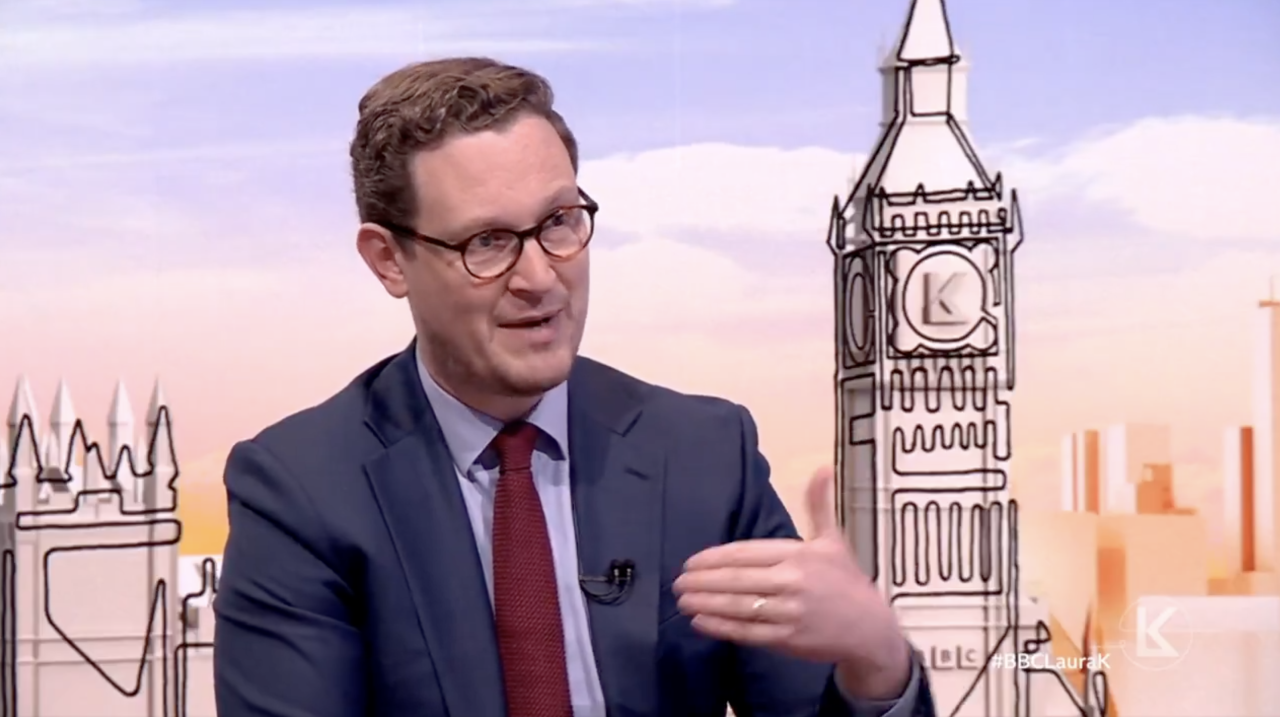
Darren Jones on potential food and fuel shortages resulting from the Iran war: “Our best guess is eight plus months from the point of resolution that you’ll see economic impacts coming through the system… So people wi...
Ringkasan singkat
Higher food and energy prices may persist for eight months post-Iran war, warns Jones.
Peluang yang terpantau
- commodity price spikes
- inflation hedging
- investments in agriculture
Risiko yang terpantau
- supply chain disruptions
- socioeconomic unrest
- policy response delays
Monitor developments in the Iran war and related food and energy trends.
Contextual Background
Higher food and energy prices may persist for eight months post-Iran war, warns Jones.
Immediate Risks
- Narrative risk: early price action may reverse if follow-up data fails to confirm the story, which is common when attention runs ahead of verification.
- Communication risk: mixed signals from policymakers can extend volatility even when the underlying trend is slowly improving.
- Tail-risk conditions may widen stop-outs and liquidity gaps, especially where leverage is embedded in crowded trades.
Strategic Insights
Global context means capital flows, rate expectations, and geopolitical risk premia can move together, so isolated interpretations may miss second-order effects. The core issue appears to be how participants update expectations when evidence is still partial—markets may reward patience when follow-up releases clarify the path. For businesses and households, the transmission can differ: margins and input costs may react first, while consumer prices and wages could adjust with a lag. Risk balance tilts toward wider ranges: elevated severity signals imply volatility may stay sticky until policy or data provides a cleaner anchor. Forward-looking, the next verified data points and official language—not social momentum alone—may determine whether this stabilizes or keeps repricing. Evidence cues include: Headline framing: Jones Warns Higher Food and Energy Prices Could Last for Eight Months After Iran War? Darren Jones on potential food and fuel shortages resulting from the Iran war: “Our best guess is eight plus months . Active themes detected: war, energy.
Strategic insight
Second-order read: this may be more about shifting probabilities than delivering a clean verdict—durability likely depends on whether institutions reinforce or contradict the first impression. With severity elevated, markets may price a wider distribution of outcomes; mean reversion is possible, but it may take longer if uncertainty is systemic rather than idiosyncratic. Policy and data cadence matter: mixed signals from officials could extend range-bound behavior even when headlines feel decisive.
Evidence cues
- Headline framing: Jones Warns Higher Food and Energy Prices Could Last for Eight Months After Iran War?
- Darren Jones on potential food and fuel shortages resulting from the Iran war: “Our best guess is eight plus months from the point of resolution that you’ll see economic impacts coming through the system… So people wi...
Market lens
Trading desks may reprice risk quickly because liquidity can cluster in benchmark instruments first, which can widen spreads elsewhere until depth returns. If positioning was one-sided, a partial unwind could amplify volatility even when fundamentals move only modestly.
Business lens
Corporate planning teams may revisit budgets for inputs, hedging, and supplier terms because macro surprises often flow through margins before top-line growth fully reflects them. Capex and hiring decisions may slow until visibility improves, especially where contracts are indexed to volatile inputs.
Public lens
Households may feel effects through prices, credit availability, or employment expectations, though transmission can lag headlines and vary by income cohort. Keeping a simple buffer and avoiding abrupt financial decisions during noisy windows often reduces regret risk.
Key supporting factors
- Energy costs and pass-through mechanics, which can move margins, transport prices, and headline CPI with different lags.
Key Actions
- Treat volatility as information: verify timelines, watch liquidity, and compare scenarios rather than locking in a single narrative.
- Compare at least two independent sources before updating a view.
- Reassess when the next scheduled macro or earnings prints land.
Mengapa Ini Penting
Alur ekonomi dunia, narasi bank sentral, dan arus modal sering mengubah valuasi perusahaan global serta sentimen regional sebelum indeks domestik ikut menyesuaikan.
Market Impact
- Sektor — Potensi dampak ke sektor terkait: food, energy, global markets, inflation, Middle East, oil, food prices, inflation, energy, USD, termasuk rantai pasok dan emiten yang paling terhubung dengan narasi ini.
- Sentimen investor — Sentimen investor bisa bergeser antara risk-on dan risk-off tergantung interpretasi data dan bahasa resmi; hindari overreaksi pada satu sesi saja.
- Aset / tema — Tema yang berpotensi terpengaruh: mata uang safe haven, imbal hasil obligasi, indeks regional, serta komoditas energi bila narasi geopolitik dominan.
Explore More Topics
- Market Authority (Pusat Topik)Peta edukasi pasar ERYU: kripto, saham, strategi, risiko, peluang, perbandingan, dan FAQ — titik pusat otoritas topikal situs.
- ER News GlobalPelajari arus ekonomi dunia, kebijakan bank sentral, dan geopolitik yang mempengaruhi pasar.
- ER News IndonesiaIkuti perkembangan bisnis, regulasi, dan ekonomi domestik yang relevan bagi pembaca Indonesia.
- ER News KriptoPantau aset digital, regulasi sektor kripto, dan narasi pasar terkini.
- ER News MarketSorot sentimen pasar modal, saham, dan likuiditas regional maupun global.
- Big NewsKumpulkan headline besar beserta konteks dampaknya terhadap sistem keuangan dan tata kelola.
Terhubung dengan pusat edukasi pasar
Baca kerangka topikal ERYU di /market/ — dipilih sesuai kategori artikel ini.
Pertanyaan singkat
- Mengapa perkembangan ekonomi satu negara bisa relevan sebagai konteks regional?
- Kanal perdagangan, arus modal, dan mata uang menautkan ekonomi. Perubahan ekspektasi di satu pusat sering menggeser posisi pelaku di wilayah lain sebelum angka lokal sepenuhnya menampakkan dampaknya.
- Apa yang dimaksud transmisi kebijakan makro secara sederhana?
- Transmisi adalah cara suku bunga, inflasi, atau kebijakan fiskal mempengaruhi harga aset, permintaan ekspor, dan kondisi keuangan global melintasi batas—sering tidak lurus dan tidak seketika.
Atribusi sumber — Ringkasan mengacu pada liputan dari Order-order.com.